

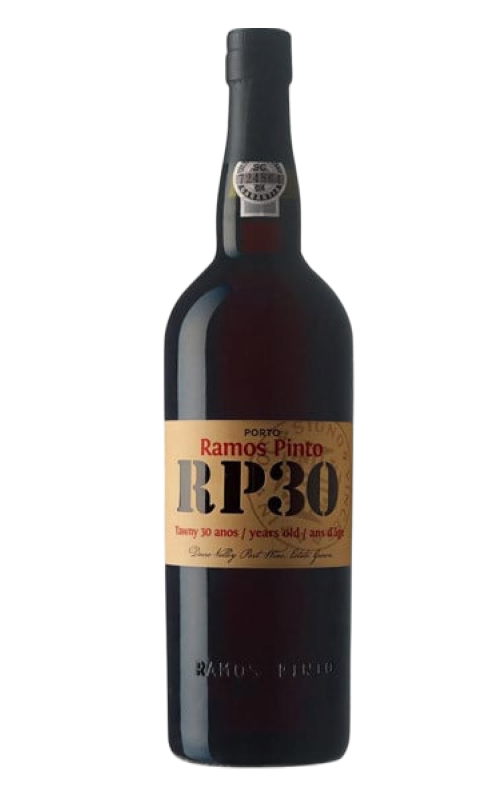
Ramos Pinto 30 YO Tawny Port
Descripción
Este oporto es un generoso de una complejidad extraordinaria, fruto de un ensamblaje maestro de vinos que han envejecido en barricas durante tres décadas. En nariz despliega elegantes notas de vainilla, frutos secos, cacao y canela. Sedoso, fresco y profundamente equilibrado, reafirmando sabores de almendras y avellanas con un persistente final de regaliz. Un vino con personalidad y carácter irrepetible, ideal como vino de meditación o para acompañar quesos azules y repostería fina.
Ficha técnica
Opinión de los críticos
Complex, showing lots of dates, walnuts and caramel on top of the dried fruit, savoriness and spices. A touch of iodine with oxidative notes and a hint of old leather. Excellent integration of alcohol and sweetness, with concentrated flavors and a long, near-salty finish that goes on for more than a minute. Complete now but can hold too.
This Port is a triumph. Its age and its concentration are on one side of an equation that brings out the elegance of the style of this producer and the balance of sweetness, dark-toffee flavors and acidity are on the other. The wine is very ready to drink. Roger Voss
The NV RP 30 Year Old Tawny Port was bottled in February 2020 with a bar-top cork and 139 grams of residual sugar. Showing more complexity and notably more sweetness than the 20 Year also reviewed this issue, this is along the lines of the last release (the 2018) that I saw a while back. As it opens and the sugar blows off, especially a couple of days later, this shows off its complexity even more, but also just a touch of harshness. The key difference is really the complexity versus the freshness—in other words, about what you'd expect. The 20 Year has almost as much concentration and power as this elegant 30 Year, but the 20 Year is fresher and even more elegant (not that the 30 isn't rather fresh for its age), while the 30 Year is far more nuanced. I personally slightly preferred this, as I usually lean toward complexity, but reasonable minds might differ. As noted with the 20 Year, the end-date drinking window is just a placeholder. Barring a cork failure, this should hold well indefinitely—although it does not need aging.

Fundada en 1880 por el joven visionario Adriano Ramos Pinto, esta bodega se convirtió rápidamente en un referente gracias a su innovadora estrategia de exportación.


Esta añada no tiene valoraciones todavía. Pincha en las otras añadas para ver sus valoraciones.