
 Ecológico
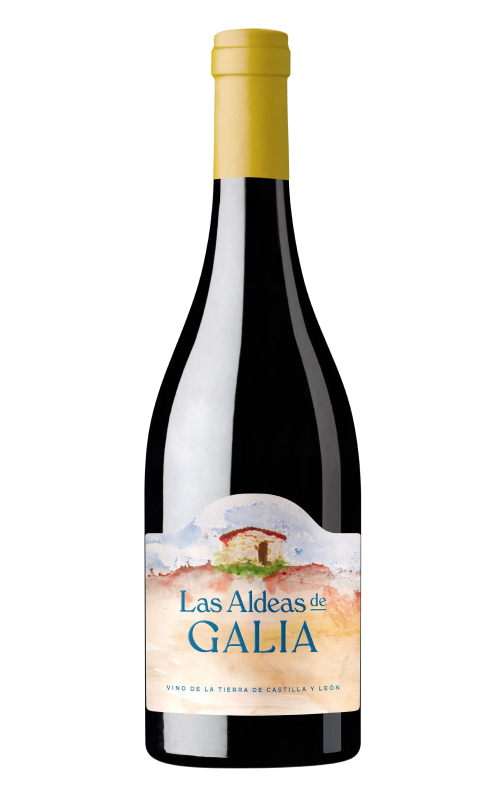
Las Aldeas de Galia 2024
Descripción
Las Aldeas de Galia es un vino que resume la tradición vitícola de los pueblos sorianos que quedaron fuera de la D.O. Ribera del Duero. Representa la diversidad y el carácter único de las viñas viejas que han sobrevivido gracias a la elaboración casera de vinos en la zona. Elaborado mayoritariamente con Tinto fino (Tempranillo) y con la participación minoritaria de otras variedades como la Albillo mayor, la Garnacha tinta, la Bobal, la Alicante bouschet o la Pirulés, procede de un mosaico de pequeñas parcelas diseminadas por múltiples pueblos sorianos que llegan a superar los 100 años de antigüedad.
Ficha técnica

Viñedo y elaboración
Opinión de los críticos
The bottled 2024 Las Aldeas de Galia was produced with grapes from villages that are outside the Ribera del Duero appellation of origin—Zayuelas, Quintanilla Nuño Pedro, Osma and Piquera San Esteban, etc., 50% from their own vineyards and 50% from purchased grapes—and therefore have kept their personality without following any guidelines, just showing the character of the place. This is composed of 82% Tempranillo, 14% different varieties (Bobal, Garnacha, Alicante Bouschet, Pirulés...) and 4% white Albillo. All the grapes were destemmed and fermented together in different vessels/materials—concrete, stainless steel or oak—depending on the village and harvest. The élevage was 50/50 in truncated concrete pyramids (from Nomblot) and 600-liter French oak barrels. The wine delivers what the unbottled sample promised last year: a very perfumed and elegant nose, subtle and nuanced, more subtle than in your face. It has good ripeness, 14% alcohol, a pH of 4.02 and 4.1 grams of acidity, but it comes through as very balanced and harmonious. In the zone of Soria, 14% alcohol is lowish (14.5% and 15% are quite normal). It's fine-boned and medium-bodied, with abundant, fine-grained tannins. They did not use any sulfur at all, not even at bottling time. It's precise and clean. 17,900 bottles produced. It was bottled in September 2025.
Lots of freshness and precision, showing dark cherries, violets and dried herbs. Very firm, structured and almost full-bodied, this is marked by broad-shouldered, nicely chewy tannins. Quite long and tight but fleshy. Needs time to soften. Drink from 2027.

Galia Soriana es un proyecto vitícola que se centra en la recuperación de viñas viejas de la provincia de Soria que han quedado fuera de la D.O. Ribera del Duero, aunque no fuera de su historia.


Añadas: 2024 2023
Esta añada no tiene valoraciones todavía. Pincha en las otras añadas para ver sus valoraciones.
Esta añada no tiene valoraciones todavía. Pincha en las otras añadas para ver sus valoraciones.